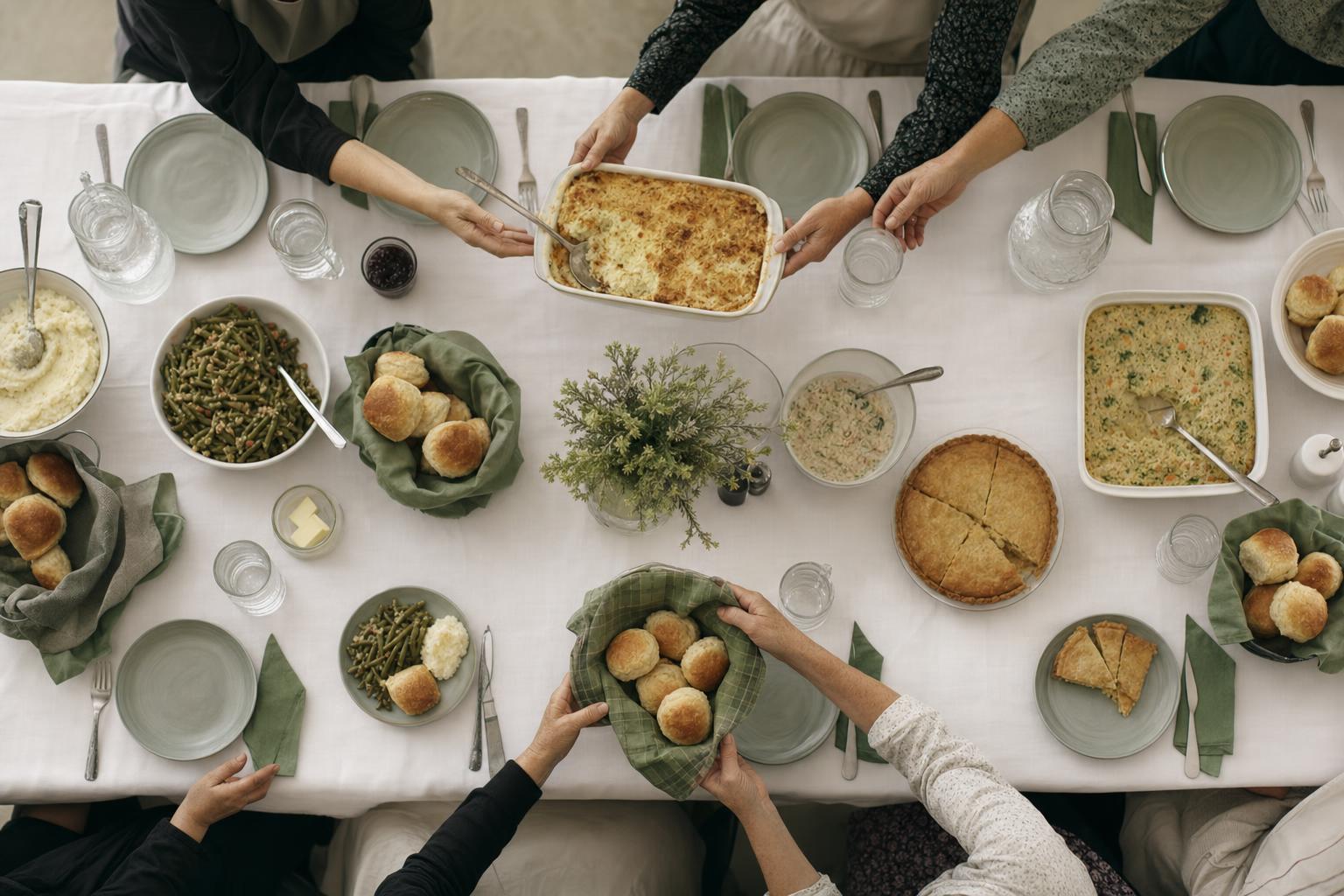
For Congregations
Free planning tools for congregations. One link the whole church can use, with no app and no accounts.
Start free
When visiting ministers come for a week of meetings, somebody local carries the whole load: two meals a day in member homes, counseling visits, young people's days, lodging every night, and rides to the airport. Today that lives on paper, phone calls, and a calendar photographed onto the group chat.
Cordial puts all of it on one shared itinerary. Your scheduler stays in charge of every time slot; the system does the bookkeeping.
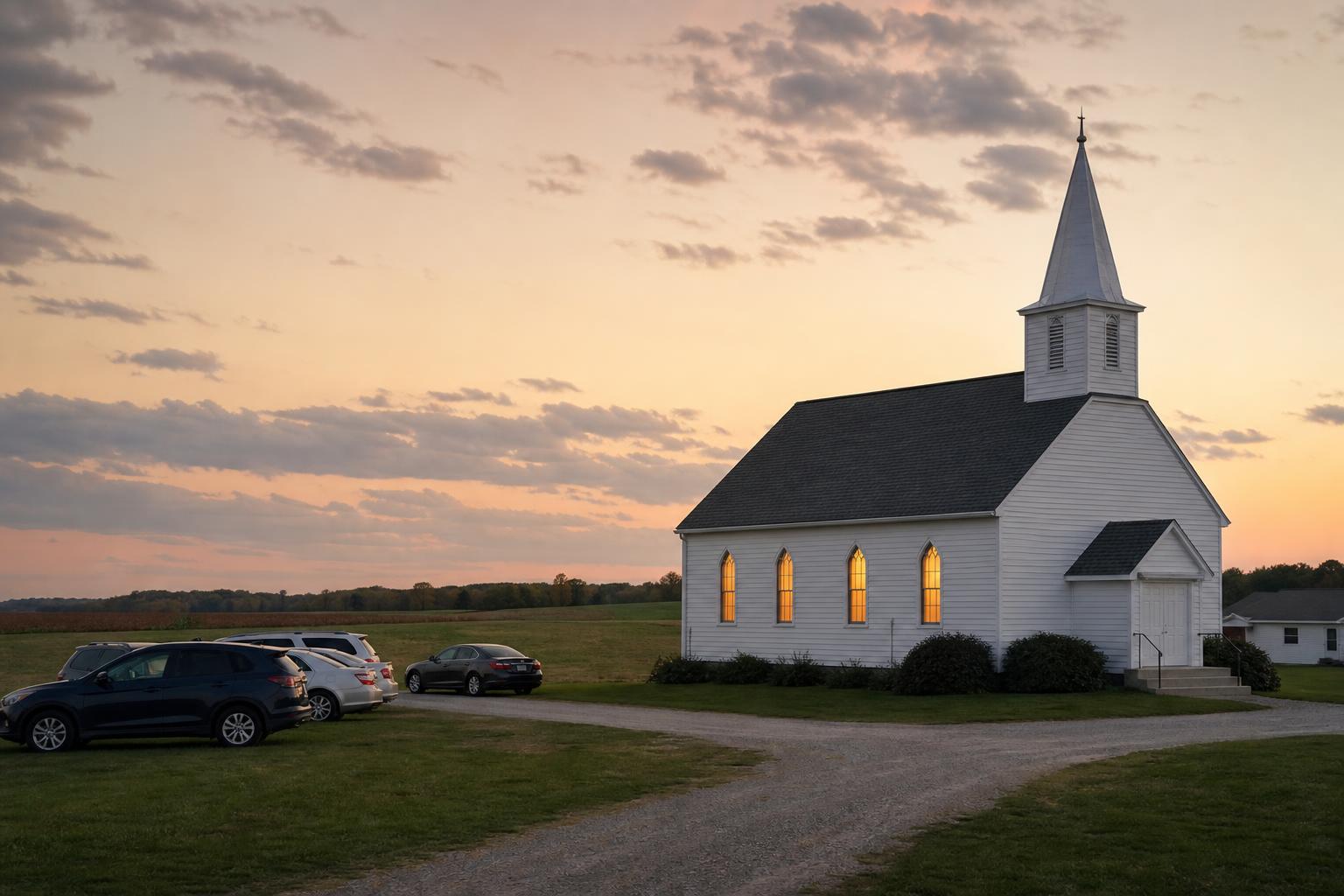
A modern sign-up sheet for the ~30 meals a congregation organizes in a year. It replaces the ad-covered potluck sites, and it is built for a phone first.

Fellowship meals, school lunches, workdays
A new baby, a surgery, a family in a hard season
There is nothing to install and no committee meeting required to adopt it. It is not as wide open as Perfect Potluck: the people who organize meals sign in, while volunteers only ever need the share link.
It arrives in the group chat or a text. No account to create, no app to install, nothing to remember.
Pick a dish, a meal to host, or a night of lodging. Type a name, tap confirm. It works on the phone in your pocket.
The sheet shows what is covered and what still needs someone, so nothing falls through the cracks.
No charge for congregation use. No ads over your sign-up sheet, no per-meal or per-event fees, and no limit on how many members you add.
It can be free because the paid part of Cordial is hosting: when a congregation hosts a girls' or boys' class, an area school meeting, or a ministers and deacons meeting, upgrades unlock that level of features. Your everyday tools cost nothing.
Fair warning: it is new. It was designed mobile first, it is ready for real use, and not every corner is finished. Early congregations shape what gets built next, and the one question we need answered is simple: would your congregation switch?
The account your congregation already uses grows into any of these. Same people, same links — the next size up.
Every school registers itself; lodging, meals, name tags, and payments follow from one roster.
Weeks of lodging placed period by period for girls' and boys' classes.
Individual registration at any size, with reports and name tags built in.
Large yearly gatherings with individual sign-up, lodging, and reporting.
Paid tickets online through Stripe, settled straight to your account.
Sooner or later the rotation comes around, and your congregation hosts the area school meeting, a girls' or boys' class, or a ministers and deacons meeting. That is when coordination gets heavy: registration for every school, lodging for hundreds of guests, meals for a week, name tags, payments, reminders.
With Cordial, you don't start over. The account your food committee already uses simply grows. Registration opens on your own web page. Your meal sheets connect to the live roster, so headcount and dietary needs fill in on their own. Lodging volunteers sign up through the same kind of link your congregation has used all year, and email and text reminders go out from the system instead of somebody's evening phone list.
Your people already know how it works, because they have been tapping the same sign-up sheets all along. Hosting a big meeting becomes the next size up of something familiar, not a new system learned under pressure.
Start free